Glovio Blog
Separate Channels vs Multi-Language Audio Tracks: Which Strategy Wins?
YouTube now supports multi-language audio tracks. You can upload dubbed versions directly to your existing videos. Sounds like the perfect solution. It's not. Here's why separate channels still win for most creators, and when multi-language audio actually makes sense.
Two Ways to Go Global on YouTube
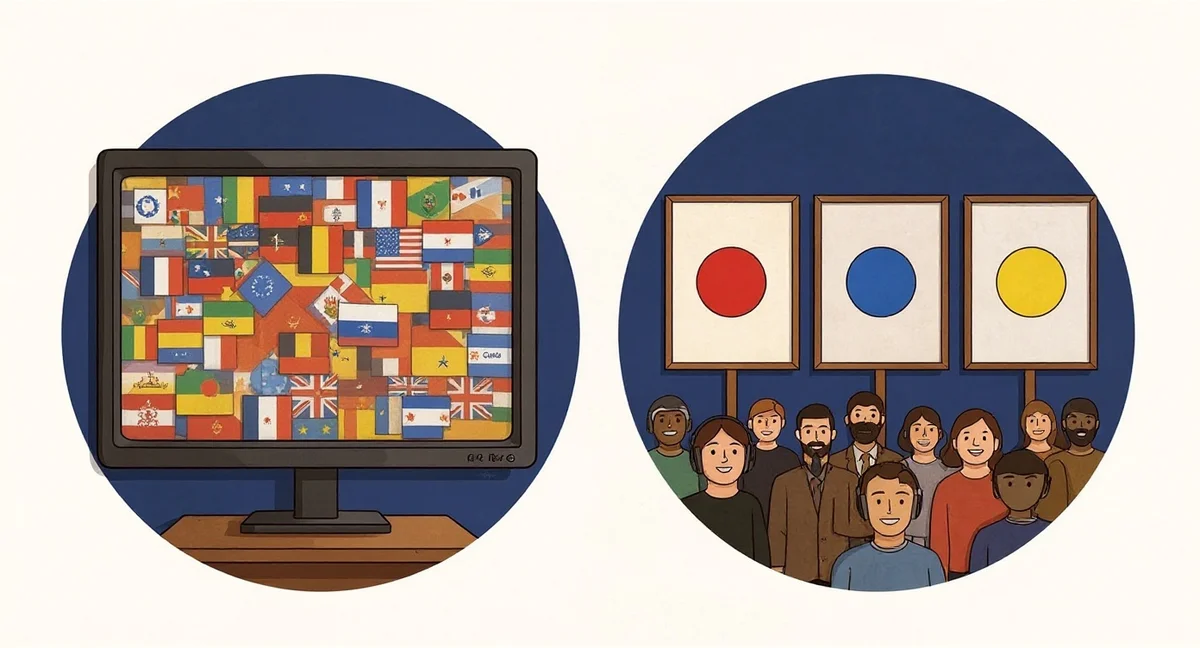
YouTube gives creators two paths for reaching international audiences:
Option A: Multi-language audio tracks. You upload dubbed audio directly to your existing video. Viewers pick their language from a dropdown. Everything stays on one channel.
Option B: Separate language channels. You create a new channel for each language (e.g., "Your Name ES" for Spanish). Each channel has its own videos, subscribers, and algorithm profile.
Both work. But they serve different goals, and choosing wrong has real consequences for your growth and revenue.
Multi-Language Audio: The Pros and the Hidden Costs
The appeal is obvious. One channel. One video. Multiple languages. No extra channels to manage.
Pros:
- Simpler to manage (one channel, one upload)
- Existing subscribers get dubbed versions automatically
- YouTube promotes multi-language audio in some regions
- No need to rebuild subscriber base from zero
Hidden costs:
- CPM blending. Your high-CPM English views get averaged with lower-CPM international views on the same channel. If your English CPM is $8 and Hindi is $0.75, your blended CPM drops.
- Algorithm confusion. The algorithm sees mixed engagement signals from viewers in different languages. It doesn't know who to recommend your content to.
- No separate analytics. You can't easily track which language audience is growing, which has better retention, or which drives more revenue.
- No separate monetization. You can't do language-specific brand deals because the audience is blended.
- Viewer experience. The audio dropdown isn't obvious. Many viewers never find it. They hear the default language and leave.
Separate Channels: More Work, Better Results
Separate channels mean more operational complexity. You're managing multiple channels, multiple upload schedules, multiple analytics dashboards.
Pros:
- Clean algorithm signal. Each channel has a single-language audience. The algorithm knows exactly who to show your content to.
- Protected CPMs. Your English channel maintains its CPM. Your German channel earns German CPMs. No blending.
- Independent growth. Each channel grows on its own trajectory. A viral video in Portuguese doesn't confuse your English audience.
- Separate analytics. You see exactly how each language market is performing.
- Language-specific brand deals. You can offer brands targeted reach in specific markets.
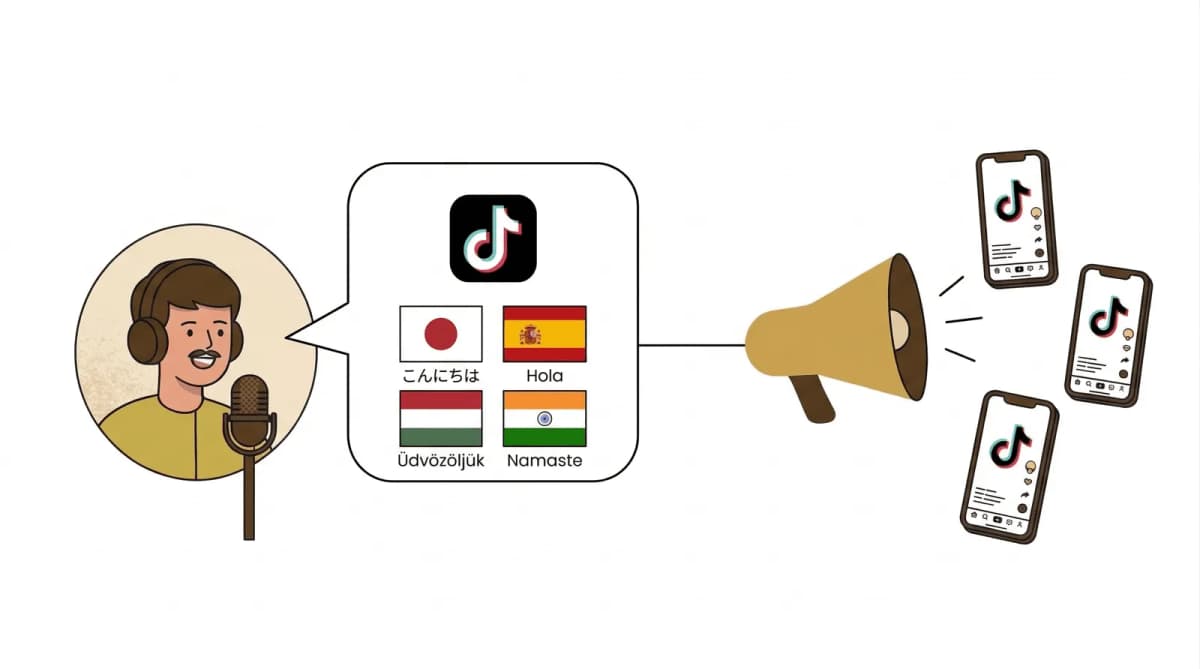
- TikTok and Instagram compatibility. These platforms don't support multi-language audio. Separate accounts are the only option.
The trade-off:
- You start from zero subscribers on each new channel.
- You need consistent content on each channel to build momentum.
- Operational complexity increases with each language.
The Decision Framework: When to Use Which
Use multi-language audio when:
- You're testing demand. Before committing to a separate channel, add dubbed audio to 5 to 10 videos and see which languages get engagement.
- You only care about YouTube. Multi-language audio doesn't work on TikTok, Instagram, or Facebook.
- Your content is news or trending (short shelf life). Separate channels need evergreen content for growth.
- You want to validate a language before investing in a separate channel.
Use separate channels when:
- You're serious about growing in a language market long-term.
- Revenue matters. Separate channels protect CPMs and enable language-specific deals.
- You create evergreen content that'll drive views for months.
- You want to expand beyond YouTube (TikTok, Instagram, Facebook all require separate accounts).
- You want clean analytics per language.
Our recommendation: Start with multi-language audio to validate demand. Once a language shows traction (consistent engagement, positive retention), move to a separate channel for that language. This two-stage approach minimizes risk while maximizing long-term growth.
What the Data Shows
Our results consistently favor separate channels for serious localization:
A creator's separate Portuguese channel rebuilt from zero has grown to 3.2 million views and 2,600 followers. That channel had its own audience, its own algorithm profile, and its own growth trajectory independent of the English channel.
A separate Hindi channel (using Hinglish) hit 37,000+ reach in week 8. With clean analytics, we could see exactly what content worked and optimize specifically for that audience.
In both cases, the English channel was unaffected. No CPM dilution. No algorithm confusion. No audience crossover.
Multi-language audio doesn't produce these kinds of results because the growth is invisible. It's blended into one channel with no way to isolate performance.
How to Handle the Operational Complexity
The biggest objection to separate channels is the work. Managing one channel is already a full-time job for most creators. Adding 2 or 3 more sounds impossible.
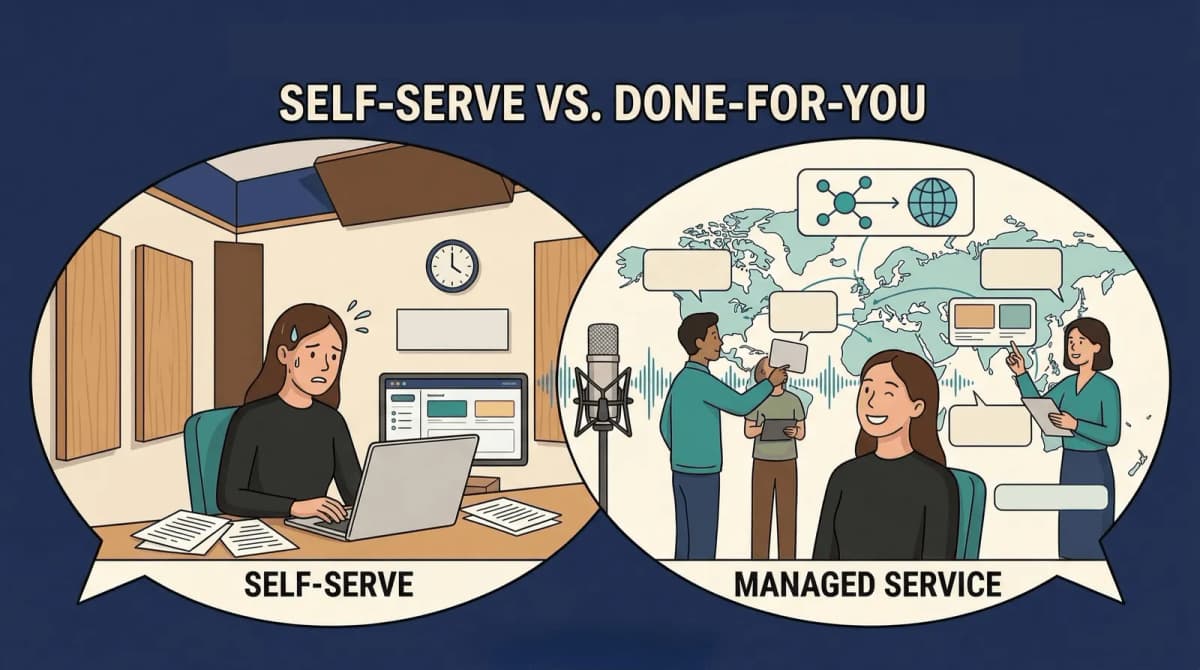
That's the whole point of done-for-you localization. You upload to one Google Drive. Everything else is handled: dubbing, lip sync, captions, thumbnails, channel setup, publishing, and (at Enterprise tier) even community management.
You don't manage the separate channels. You don't even need to log into them unless you want to. The operational complexity is real, but it's not your problem.
This is why we always recommend separate channels over multi-language audio for creators who work with us. The results are better, and the operational burden falls on us, not on you.
FAQ
Can I use both strategies at the same time?
Yes. Some creators add multi-language audio on their main channel for discoverability while also running separate channels for their primary localized markets. The key is to not rely on multi-language audio as your only strategy.
Will separate channels cannibalize my English audience?
No. Separate channels target different language audiences. Your English subscribers won't see the Spanish channel unless they search for it. The algorithm treats them as independent channels.
How long does it take for a separate channel to gain traction?
It varies by niche and language. Channels with strong evergreen content and consistent uploads (3 to 4 videos per week) typically start showing growth within 4 to 8 weeks. We've seen one creator's localized channels grow to 3.2 million views and 2,600 followers from zero.
What about TikTok and Instagram? Do they support multi-language audio?
No. TikTok and Instagram don't support multi-language audio tracks. Separate accounts per language are the only option on these platforms.