Glovio Blog
We Rebuilt a Banned Channel From Scratch. 1.25M Views in 4 Weeks.
Your channel is gone. Subscribers, watch history, monetization, everything wiped. YouTube terminated 12.46 million channels in 2025. This is how we helped a creator go from banned to 1.25 million views in 28 days on a brand new channel. No paid promotion. Just localization done right.
What We Were Working With
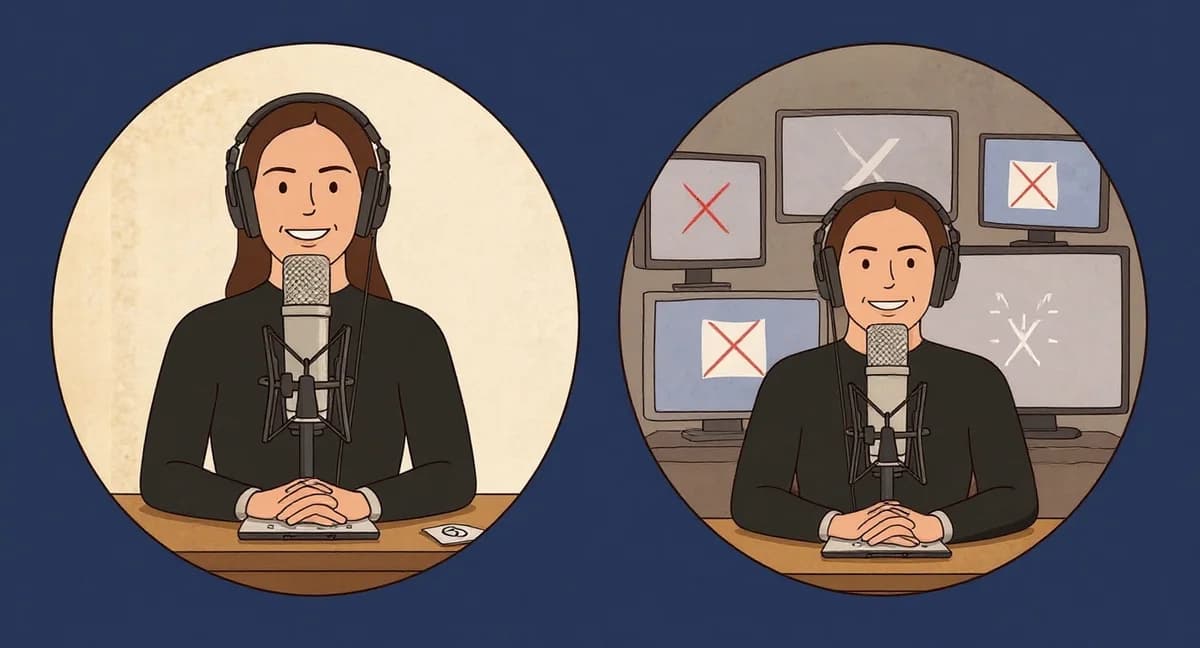
The creator had a successful English channel before the ban. Good content. Proven topics. But after termination, the Second Chance program meant starting at zero. No subscriber base transfers. No algorithm history.
We started with 4 followers and a library of proven content. The question was how to rebuild traction fast.
The Localization Bet
Most creators who start over try to recapture their original audience. Same language, same format, same grind. That's a slow road when the algorithm doesn't know you exist.
We went a different direction. Instead of rebuilding one English channel, we launched localized channels across 4 platforms: YouTube, Instagram, TikTok, and Facebook. Take the creator's best performing content and localize it for new language markets where demand already existed.
Localization doesn't mean running your videos through auto-translate and hoping for the best. That approach would have killed this recovery before it started.
Why Auto-Translate Would Have Failed
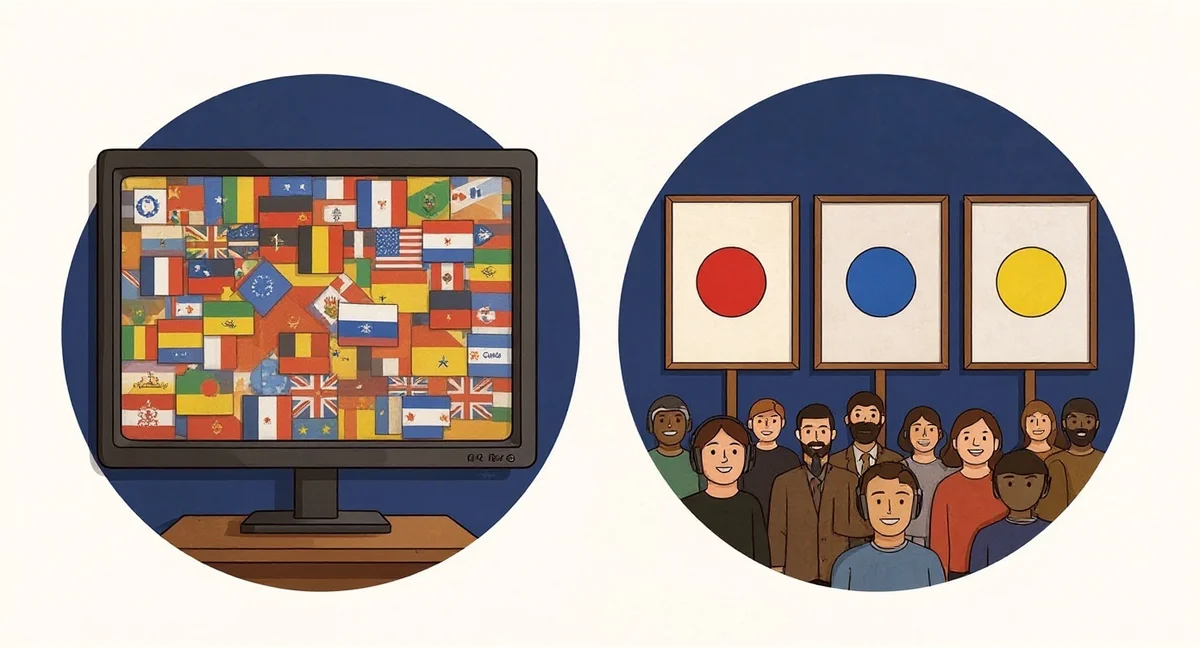
YouTube's auto-dubbing generates a generic AI voice in textbook language. It leaves on-screen text in English. Thumbnails stay in English. And it publishes everything to your main channel, mixing languages in one feed.
For a fresh channel trying to build algorithmic trust, that's poison. Mixed language signals confuse the recommendation engine. Viewers get a half-translated experience and bounce. We needed the algorithm to see each language channel as a focused, native content source.
What Full Localization Actually Looked Like
We localized every layer of the viewer experience. Here's what that means in practice.
Voice cloning. The dubbed audio sounded like the creator. Viewers heard a familiar voice in their language, which kept them watching.
Dialect matching. We used Hinglish for the Indian market and Brazilian Portuguese for Brazil. Textbook translations feel robotic. Dialect-matched content feels like it belongs.
Captions, thumbnails, on-screen text, hooks. Every visual element got adapted. A viewer in Brazil should feel like the channel was built for them.
Separate channels per language. Each language got its own channel with its own algorithmic identity. No cross-contamination between languages or audiences.
Week by Week: 0 to 1.25M Views
Week 1. We published the first batch of localized evergreen content: the creator's top 10 proven performers, adapted for the highest potential language markets. Early traction was small but signals were clean. High retention, low bounce.
Week 2. The algorithm started pushing the localized channels. Non-follower reach hit 99%, meaning almost every view came from recommendations. The content was working because the viewer experience felt native.
Week 3. Views compounded as each platform recognized consistent engagement patterns. We crossed 500K cumulative views.
Week 4. 1.25 million views total. 887 followers grown from 4. All organic, zero paid promotion across four platforms.
That 99% non-follower reach is the stat that matters most. The algorithm was doing the distribution. We didn't need an existing audience. We needed content good enough for the algorithm to push on its own.
The Playbook for Creators Starting Over
Whether you got hit by a ban, your channel got caught in YouTube's AI enforcement wave, or you're just launching fresh, the playbook is the same. Every platform optimizes for retention. Proper localization removes the friction that kills it. A properly localized video competes on equal footing with native content in that language. That's the unlock.
- Start with proven content. Use your analytics to pick the top 10 to 15 evergreen videos. Don't guess.
- Pick one or two high potential languages. Check where your audience came from geographically. That's where demand exists.
- Localize the full experience. Voice, captions, thumbnails, on-screen text, hooks. Every layer.
- Use separate channels. Protect each language's algorithmic identity. Never mix languages in one feed.
- Publish consistently. The algorithm needs a pattern to trust. Daily or near-daily in the first month.
Take our free assessment to see which language has the highest potential for your channel.
Want this done for you? Pilot Month is free.
We run the entire localization pipeline at Glovio. Voice cloning, dialect matching, thumbnail adaptation, channel management, publishing. Standard pricing is $500 per language per month. Launch promo is $100 per language per month (80% off). Your first pilot month is free.
Comment GLOBAL or DM us for a free assessment of your channel's international growth potential.
FAQ
Can I actually get a new YouTube channel after a ban?
Yes. YouTube's Second Chance program (launched October 2025) lets eligible creators request a new channel after a one-year waiting period. Subscribers and content don't transfer. You start at zero.
How long does it take to rebuild a channel from scratch?
Most creators take 6 to 12 months with organic methods alone. With localized content targeting proven demand, we hit 1.25M views in 4 weeks.
Does localization work on platforms other than YouTube?
Yes. TikTok, Instagram Reels, and Facebook reward the same signals: strong retention and native-feeling content. We published across all four simultaneously in this case study.
Is auto-translate good enough for starting a localized channel?
No. Auto-translate handles audio only, uses formal language, and publishes to your main channel. Those limitations tank metrics before you gain momentum.
What languages should I localize into first?
Check YouTube Studio under Audience > Geography. Pick the top 1 or 2 non-English countries by watch time. Hinglish and Brazilian Portuguese are consistently high-performing for English creators.
How much does professional localization cost?
Full-stack managed localization starts at $100 per language per month during our launch promo. First month is free. Standard pricing is $500 per language per month.