Glovio Blog
The Creator's Complete Guide to Video Localization
You built something that works. Your content connects with your audience, your revenue is growing, and your systems are running. But you're doing all of it in one language. Meanwhile, 20 to 35% of your watch time comes from viewers who don't speak English as their first language. They found you anyway. Imagine what happens when you actually speak their language.
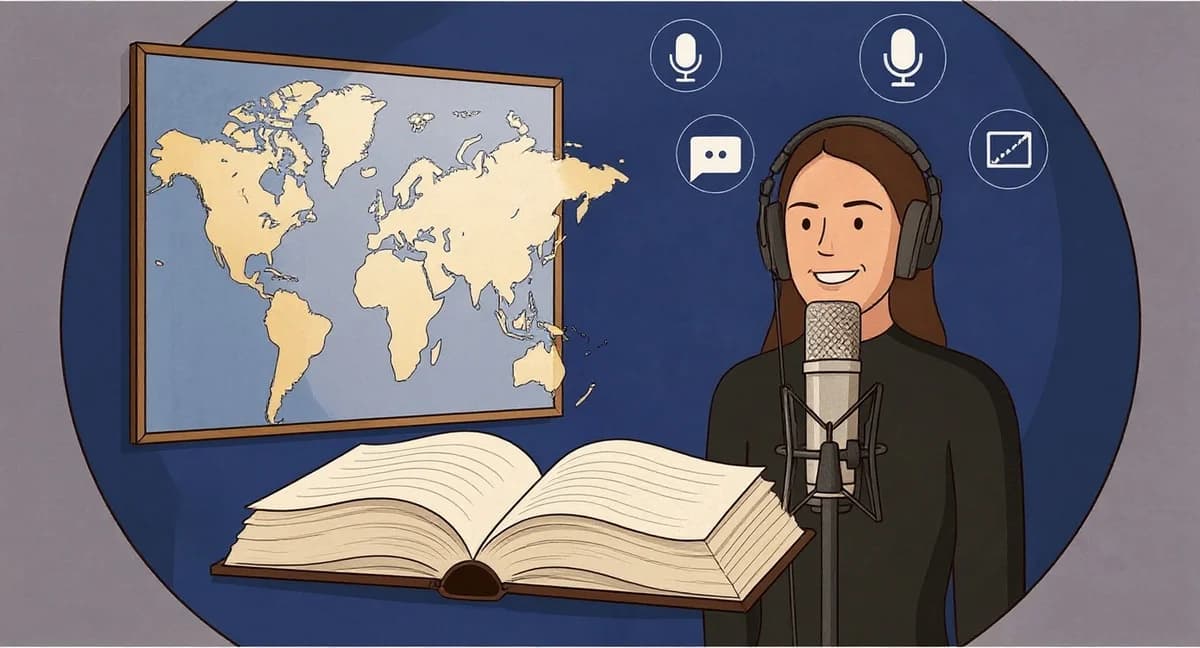
What Video Localization Actually Means (It Isn't Just Translation)
Translation swaps words from one language to another. Localization adapts the entire viewer experience. That means voice (dubbed in the target language with your cloned voice), captions and subtitles (not auto-generated), on-screen text (titles, graphics, lower thirds), the opening hook (rewritten for cultural fit, not word-for-word), and the thumbnail (text translated, layout adapted).
If you only translate one layer, viewers notice the gap. A video with dubbed audio but English captions feels broken. A localized hook that still references American cultural moments confuses international viewers.
Full-stack localization means every layer matches. That's what separates content that grows from content that gets skipped.
The Auto-Translate Trap: Why Free Translation Hurts Your Channel
YouTube now offers auto-dubbing in 27 languages. TikTok and Instagram translate captions below the post. These features feel like free growth. They aren't.
On YouTube, auto-dubbing publishes robotic-sounding translations on your main channel. Your existing audience hears a bad dub and leaves. Retention drops. The algorithm reads that as a quality signal. Your reach shrinks.
Worse, auto-translate doesn't create separate channels. It pushes translated content to your same audience, mixing languages in a way that confuses both viewers and the algorithm.
Auto-translate is distribution. It puts content out there. But it doesn't localize. It doesn't match dialect. It doesn't protect your main channel. And it doesn't build a real audience in any language.
For a deeper comparison, read our guide on YouTube auto-dubbing vs professional localization.
Why Separate Channels Are the Foundation
The single biggest mistake creators make is publishing translated content on their main channel. This causes three problems:
- Algorithm confusion. The algorithm sees mixed-language engagement signals and doesn't know who to show your content to.
- CPM pressure. High-CPM English viewers get diluted with lower-CPM international views on the same channel, pulling your average down.
- Audience confusion. English viewers see non-English content in their feed. International viewers see English content they can't fully follow.
Separate channels solve all three. Your English channel stays focused. Each language gets its own channel with its own audience, its own algorithm profile, and its own monetization.
The operational complexity is real. That's why done-for-you services exist. Learn more about the separate channels vs multi-language audio strategy.
Dialect Matching: The Difference Between Reach and Resonance
Generic translation treats all speakers of a language the same. But Hindi speakers in India watch content in Hinglish (Hindi mixed with English). Portuguese speakers in Brazil use Brazilian Portuguese, which sounds nothing like European Portuguese.
When we localized a creator's content into Hinglish instead of formal Hindi, the channel hit 37,000+ reach in week 8. When we used Brazilian Portuguese specifically, that channel has since grown to 3.2 million views and 2,600 followers from zero.
Dialect isn't a nice-to-have. It's often the difference between content that feels native and content that feels like a bad dub.
Dive deeper into why dialect matching matters more than translation.
How to Pick Your First Language
Don't start with the language that has the most speakers. Start with the language that has the best combination of audience demand, revenue potential, and content fit for your niche.
Check YouTube Studio for your top non-English countries. Cross-reference with CPM data: German ($4 to $5), French ($3 to $3.50), Spanish and Portuguese (under $2 but massive volume), Hindi ($0.50 to $1.00 with enormous audience size).
Your first language should score high on demand (existing viewership), revenue (CPM or brand deal potential), and content fit (does your topic translate well?).
Read our data-driven guide to choosing your first localization language.
You Don't Translate Everything. You Translate What Already Works.
The instinct is to translate your whole catalog. That's expensive and slow. The 80/20 rule applies: 80% of your localized results will come from your top 10 to 15 evergreen performers.
Evergreen content: tutorials, how-tos, guides, personal stories with universal themes. These work across cultures because the value isn't time-sensitive.
Skip: reaction videos, news commentary, culturally specific humor, anything with English wordplay that doesn't translate.
A Language Launch Brief identifies which of your existing videos are the best candidates based on performance data and cross-cultural appeal. Start with what already works.
The Revenue Math (Without Guarantees)
Nobody can guarantee what localization will earn you. But you can run the numbers.
Brand deals: offering a Global Package (English plus localized languages) commands a premium. Some creators report charging significantly more per campaign.
Courses and products: localized content drives international traffic to your existing sales pages. Even a modest lift compounds over months.
AdSense: varies by language CPM. German views are worth 4 to 5x what Hindi views are worth, but Hindi offers 50x the audience size.
The full ROI framework, including how to calculate break-even for your specific channel, is in our localization ROI guide.
The Four Mistakes Creators Make Going Global
- Publishing translated content on the main channel. This hurts your English audience and confuses the algorithm. Always use separate channels.
- Using generic language instead of the right dialect. Hinglish beats formal Hindi. Brazilian Portuguese beats generic Portuguese. Match the market.
- Translating only one layer. Voice, captions, on-screen text, hook, and thumbnail all need to match. Partial localization feels broken.
- Trying to translate everything at once. Start with your top 10 to 15 evergreen performers. Not your full catalog.
Avoid these four mistakes and you're ahead of 90% of creators who attempt localization.
What Done-for-You Localization Looks Like
You keep filming in English. You upload to the same Google Drive folder you already use. Everything else is handled: dubbing with your cloned voice, lip sync, captions, on-screen text, thumbnail adaptation, channel setup, and publishing across YouTube, TikTok, Instagram, and Facebook.
48-hour turnaround. Up to 50 videos per month. Separate channels for each language. Monthly performance snapshot.
You don't learn new tools. You don't manage new accounts. You don't translate a single word. You just keep creating.
Take our free assessment to find out which language and market makes the most sense for your channel.
FAQ
How is localization different from translation?
Translation swaps words between languages. Localization adapts the full viewer experience: voice, captions, on-screen text, hook, and thumbnail. Every layer matches the target language and culture.
Will localization hurt my main English channel?
Not when done correctly. Localized content goes to separate language-specific channels. Nothing touches your main channel.
How many videos should I start with?
Start with your top 10 to 15 evergreen performers. These have proven content-market fit and are most likely to work across languages.
What platforms does localization work on?
YouTube, TikTok, Instagram, and Facebook. Separate channels are created for each language on each platform.
How long does it take to see results?
Results vary by niche and language. Some channels build momentum within weeks. We provide a monthly performance snapshot so you can track growth from day one.
Related Articles
March 8, 2026
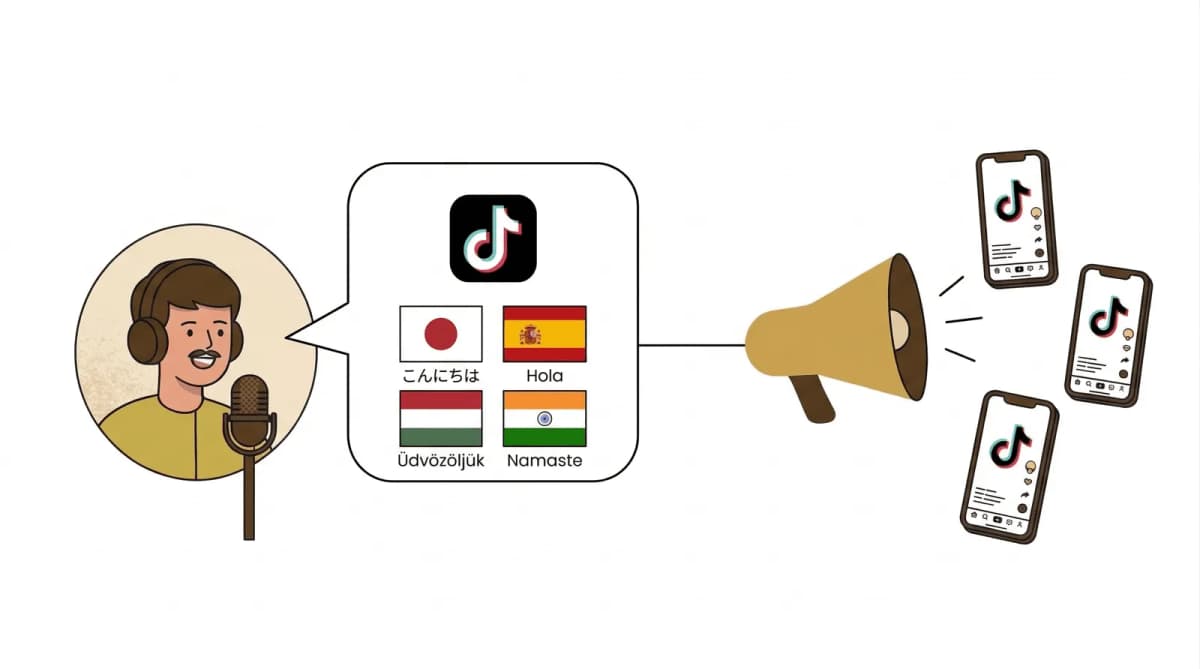
TikTok Video Localization Service
How to localize TikTok videos with separate language channels, voice cloning, and fully managed publishing.
December 4, 2025
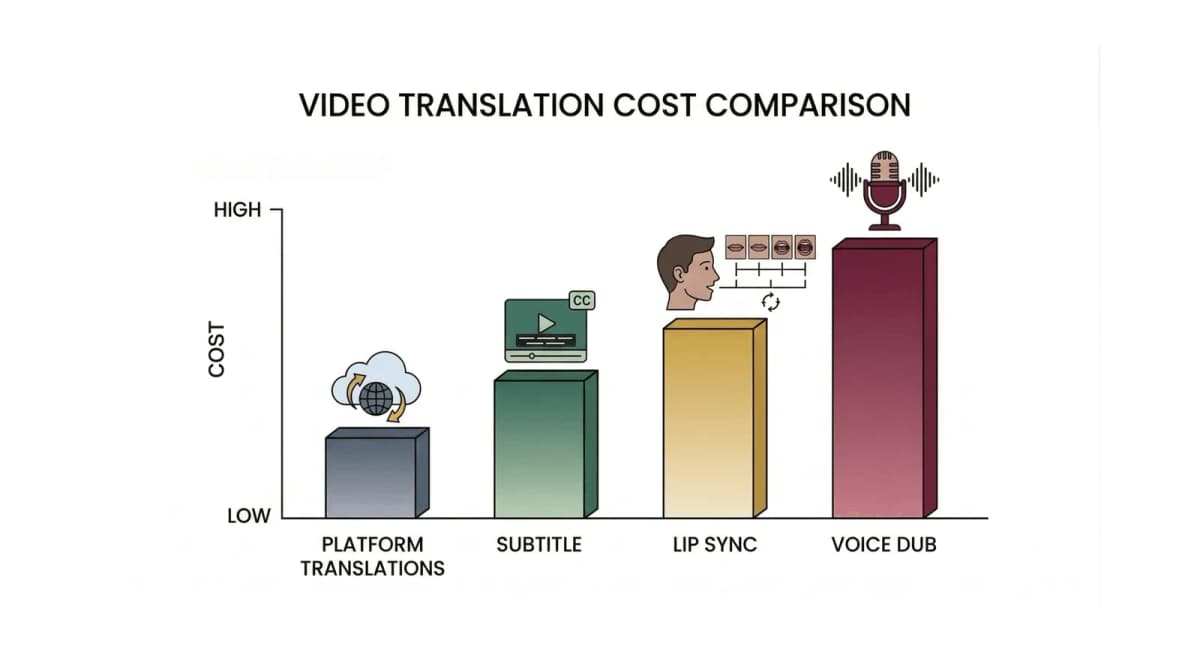
How Much Does Video Dubbing Cost?
A practical breakdown of dubbing costs by option and what each pricing tier includes.
January 6, 2026
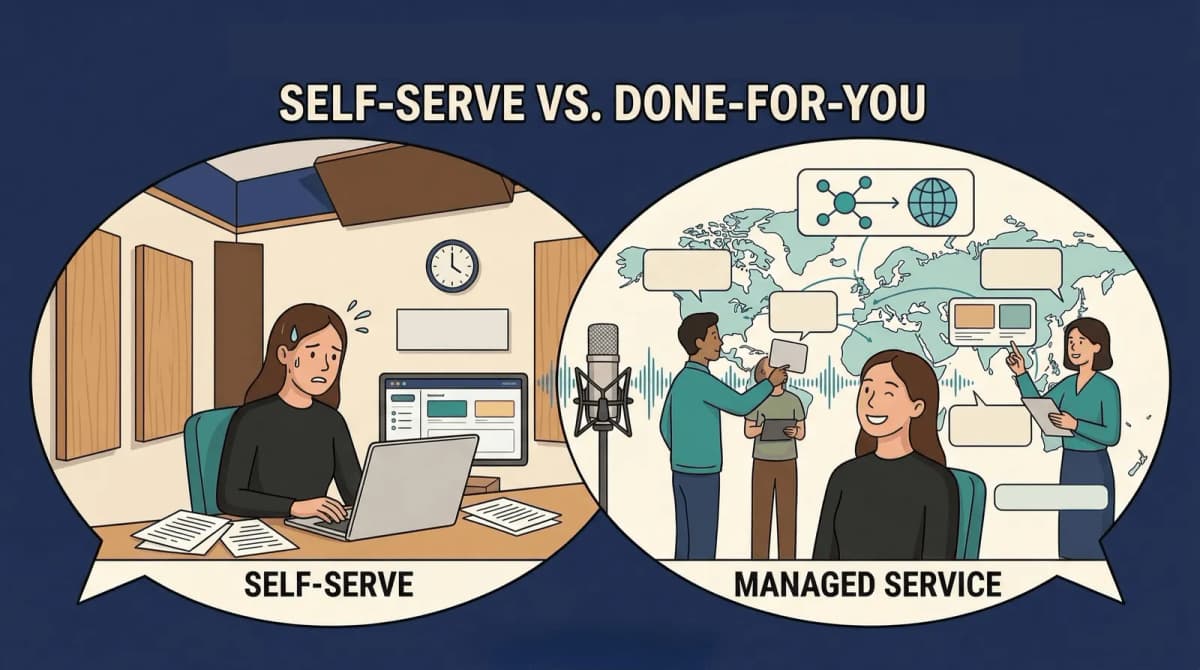
HeyGen Alternative for Creators
A direct comparison of self serve translation tools versus managed localization and publishing.